

 https://www.rapinteriors.co.uk/wp-content/uploads/2024/08/Principal-designer-meeting-with-plans-for-office-refurbishment-project-Large-750x1081.jpg
The role of a principal designer in construction.
https://www.rapinteriors.co.uk/wp-content/uploads/2024/08/Principal-designer-meeting-with-plans-for-office-refurbishment-project-Large-750x1081.jpg
The role of a principal designer in construction.
Good health and safety management is key to the success of every construction project. Without careful planning and preparation, clients can face significant issues, such as project delays, site casualties, and legal repercussions.
Clients should therefore appoint a principal designer to oversee the health and safety planning. The principal designer’s primary role is to identify potential risks and ensure the design adheres to health and safety regulations.
In this blog, we take a closer look at the role of a principal designer to help you understand their value and responsibilities. We’ll also look at the role of other figures in relation to the principal designer, giving you a full understanding of the process.
Read on to learn more…
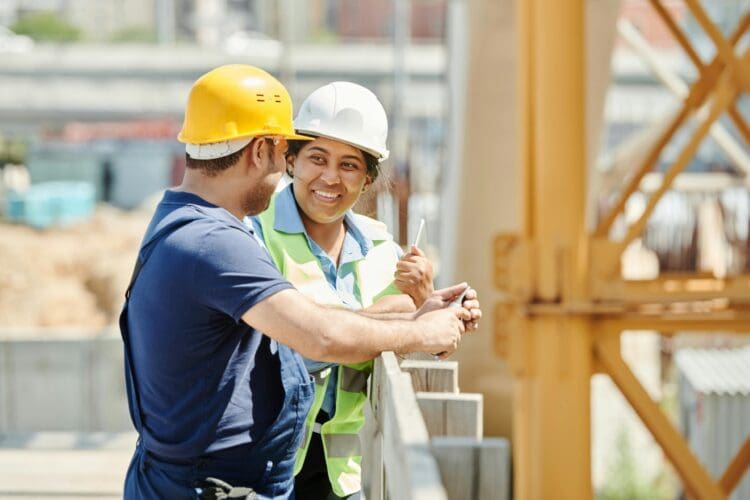 https://www.rapinteriors.co.uk/wp-content/uploads/2024/08/Principal-designer-on-construction-site-with-contractor-Large-750x500.jpg
Principal designer on construction site with contractor.
https://www.rapinteriors.co.uk/wp-content/uploads/2024/08/Principal-designer-on-construction-site-with-contractor-Large-750x500.jpg
Principal designer on construction site with contractor.
A principal designer plans, manages, and monitors health and safety in the pre-construction phase of a project. Their role is to lay a safe foundation for the construction process and ensure the design is risk-free.
The principal designer is usually an organisation. However, individuals can be appointed as a principal designer too, typically on smaller projects.
Either way, the principal designer must have technical construction expertise that’s relevant to the project. They should also have the skills to coordinate the pre-construction phase (see below).
The pre-construction phase is any period of during which design or preparatory work is carried out for a project. The construction phase, on the other hand, is the period where the physical work takes place.
The legal definition of “pre-construction” exists in relation to health and safety under the Construction (Design and Management) Regulations (CDM 2015). Principal designers use CDM Regulations as a framework to ensure health and safety is managed during the project’s development.
CDM Regulations are the main set of regulations for managing health, safety, and welfare of construction projects. CDM applies to all building and construction work, including office refurbishments and fit outs.
Complying with CDM regulations along with effective planning ensures that the work is well managed without unexpected delays and issues.
Although clients aren’t expected to manage or carry out construction work, they do have a responsibility for complying with the regulations. To ensure a project adheres to the CDM Regulations, clients should appoint a principal designer as early as possible.
If clients do not adhere to the CDM Regulations, they are likely failing to influence the management of health and safety on the project. Serious breaches may result in construction work being stopped by HSE or a local authority, and further work may be necessary to resolve the issue(s). In some cases, clients could be prosecuted.
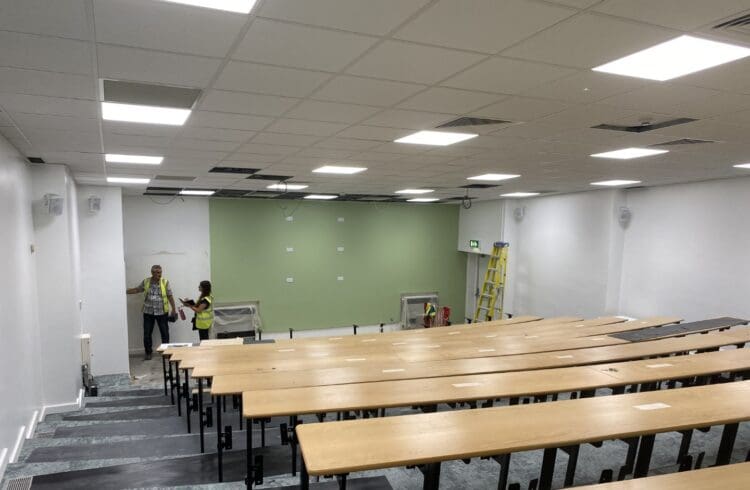 https://www.rapinteriors.co.uk/wp-content/uploads/2024/08/Site-visit-at-London-refurbishment-project-with-designer-and-site-manager-750x490.jpeg
Site visit at London refurbishment project with principal designer.
https://www.rapinteriors.co.uk/wp-content/uploads/2024/08/Site-visit-at-London-refurbishment-project-with-designer-and-site-manager-750x490.jpeg
Site visit at London refurbishment project with principal designer.
As we’ve established, principal designers play a crucial role in ensuring the health and safety of a construction project. This means managing and coordinating the pre-construction phase in accordance with the CDM Regulations.
But what exactly are the principal designer’s key responsibilities? Here is an overview:
Note that these activities may continue after the construction stage has begun. This is because the design may continue to develop, leading to changes in health and safety considerations.
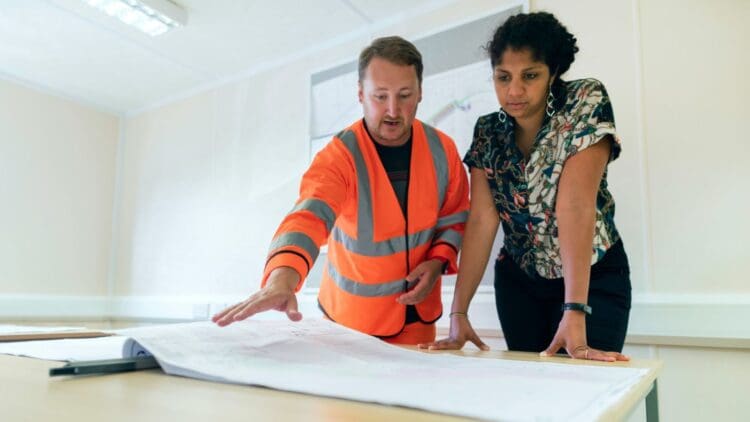 https://www.rapinteriors.co.uk/wp-content/uploads/2024/08/Construction-meeting-discussing-office-fit-out-plans-750x422.jpg
Construction meeting discussing office fit out plans with principal designer and project manager.
https://www.rapinteriors.co.uk/wp-content/uploads/2024/08/Construction-meeting-discussing-office-fit-out-plans-750x422.jpg
Construction meeting discussing office fit out plans with principal designer and project manager.
The client is responsible for appointing a principal designer on projects that involve more than one contractor.
The principal designer should be appointed in writing and as early as possible in the design process. Failure to appoint a principal designer early could result in unsafe and low-quality work.
If the client doesn’t appoint an organisation or individual to manage the pre-construction phase, the client automatically becomes the principal designer. This is fine if the client is competent and has had relevant training, but issues can arise from this situation if not managed correctly.
Many projects require expertise from different trades, so it is important the client feels confident it can oversee the process. If you are a client and feel like you need assistance, it’s a good idea to seek help from a local construction firm that functions as a principal designer.
For example, Rap Interiors is a refurbishment company that takes on the role of principal designer on projects. With construction expertise and excellent knowledge of the CDM Regulations, we can manage the health and safety aspect of the project as well as the interior design and build. Contact Rap Interiors here.
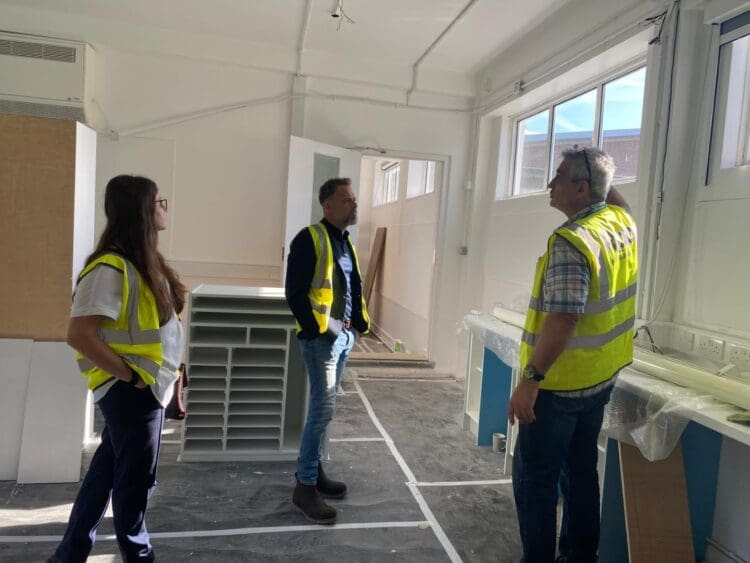 https://www.rapinteriors.co.uk/wp-content/uploads/2024/08/Site-visit-for-school-refurbishment-project-in-London-750x563.jpg
Site visit for school refurbishment project in London.
https://www.rapinteriors.co.uk/wp-content/uploads/2024/08/Site-visit-for-school-refurbishment-project-in-London-750x563.jpg
Site visit for school refurbishment project in London.
The principal designer and principal contractor play a major role in delivery of a successful construction project. The difference between the two, however, is that the principal designer oversees the pre-construction phase, while the principal contractor oversees the construction activity on site.
While this is the case, the principal contractor still holds responsibility for ensuring health and safety during the construction phase. For example, they will hold site inductions highlighting health and safety obligations and provide suitable welfare facilities for workers.
For clarity, here is an overview of the key roles on a construction project:
Remember, when embarking on a construction project, it’s important to fully understand the roles of everybody involved.
By clearly defining who is responsible for each element of the project, you will prevent any confusion and ensure the project runs smoothly from the get-go.
As the principal designer is responsible for pre-construction phase, it is down to the principal contractor to manage the risks on site. However, the principal designer should be aware of the type of risks that occur during works and highlight them when designing the project.
The principal contractor typically assigns a health and safety manager to oversee site activity and carry out inspections. The health and safety manager also conducts safety briefings for workers on site, ensuring they understand the requirements.
Common risks include falls from height, collapse of excavations and structures, exposure to building dusts and asbestos and electricity endangerment. Members of the public and the client should also be protected from risks by ensuring the site is secure.
https://www.rapinteriors.co.uk/wp-content/uploads/2024/08/Principal-designer-meeting-with-plans-for-office-refurbishment-project-Large-750x1081.jpg
The role of a principal designer in construction.
If you were unsure about the role of a principal designer before reading this blog, we hope we’ve helped to demystify the jargon. For a recap, here’s a brief rundown of what we’ve covered:
Further to this, we recommend you look closely at the official CDM Regulations and ask your chosen principal designer for advice where necessary. This will set you up for a successful project that ensures the safety of all involved.
With over 30 years’ experience in the construction industry, Rap Interiors has been appointed as principal designer on projects across the UK. With our design, health and safety, and project management expertise, you can count on us to deliver a seamless fit out or refurbishment project.
To find out more about how we can help you, please call 0333 600 1234 or fill out the enquiry form below.
Enter your details below and one of the team will contact you to discuss your requirements.
 https://www.rapinteriors.co.uk/wp-content/uploads/2022/01/Office-boardroom-interior-design-for-a-Kent-property-developer-750x1125.jpg
Workspace interior design with acoustic elements
https://www.rapinteriors.co.uk/wp-content/uploads/2022/01/Office-boardroom-interior-design-for-a-Kent-property-developer-750x1125.jpg
Workspace interior design with acoustic elements