

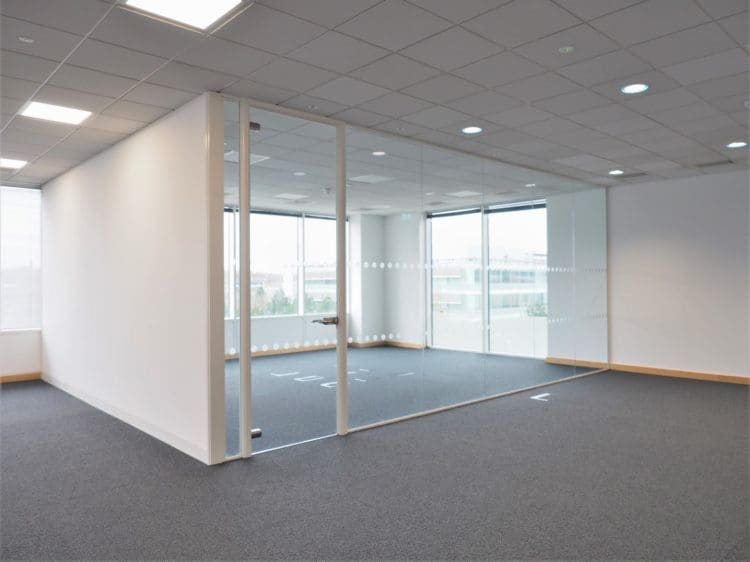
 https://www.rapinteriors.co.uk/wp-content/uploads/2021/11/Office-dilapidation-for-a-London-client-by-Rap-Interiors-750x562.jpg
Office dilapidation for a London client by Rap Interiors
https://www.rapinteriors.co.uk/wp-content/uploads/2021/11/Office-dilapidation-for-a-London-client-by-Rap-Interiors-750x562.jpg
Office dilapidation for a London client by Rap Interiors
Dilapidations catch businesses out at the worst possible moment, as they try to leave a building and move on. A claim can run to tens of thousands of pounds, and it usually arrives near the end of a lease when budgets are already stretched by a move. This guide explains what dilapidations are, who pays, and how to handle a claim without losing more than you need to.
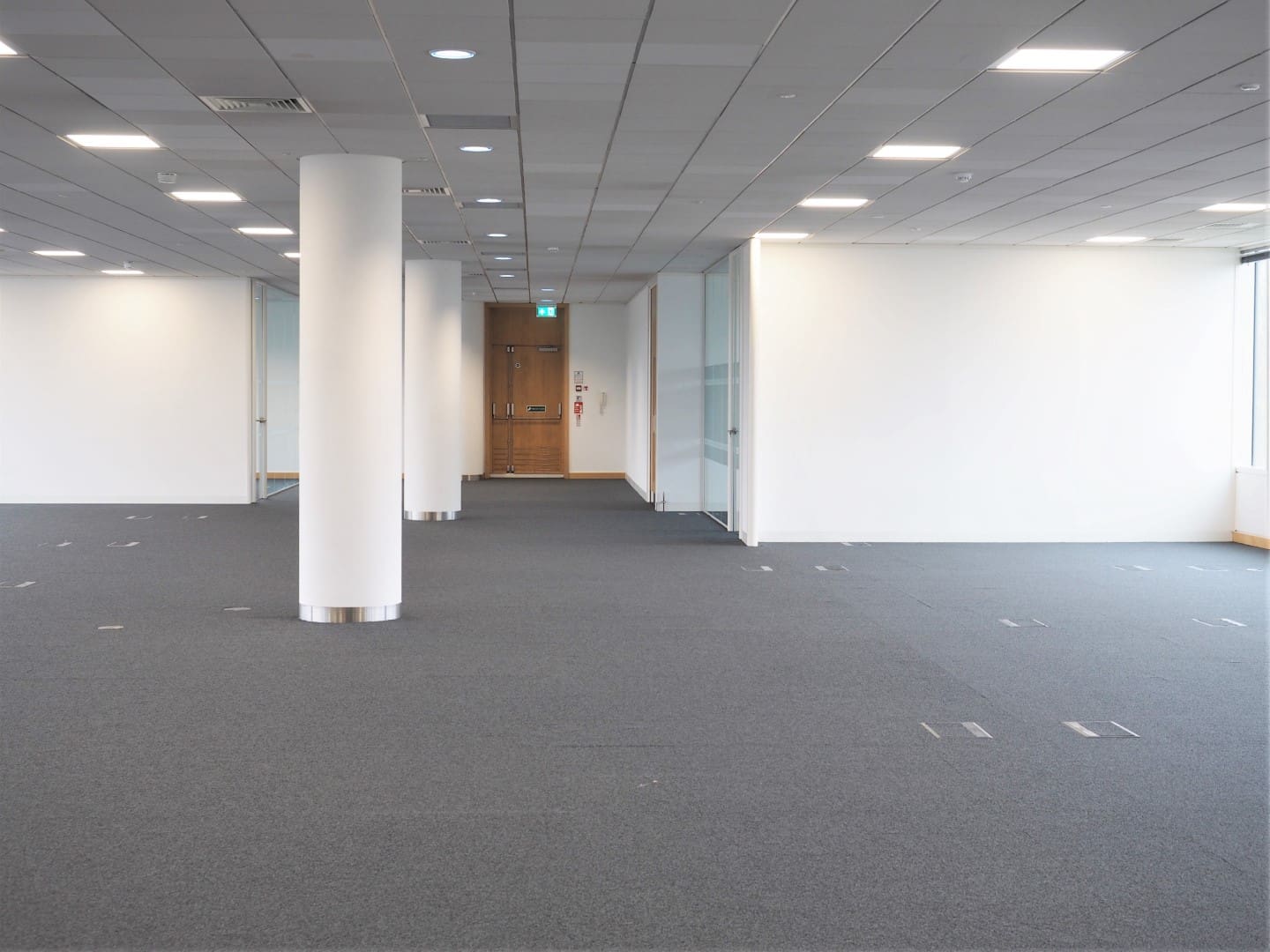
Dilapidations are the works a landlord requires to put a leased space back to an agreed condition, usually at the end of a tenancy. Over the course of a lease, a tenant fits the office to suit their business, adds partitions, alters services, and wears the space in. When the lease ends, the lease terms often require the tenant to undo those changes and repair any disrepair, returning the office to the state set out in the agreement.
The landlord sets out the required works in a document called a schedule of dilapidations. It lists each item, from removing partitions to redecorating, along with the cost the landlord attributes to it. That schedule is the starting point for the claim, and it is rarely the final figure.
The tenant usually pays. A schedule of dilapidations represents the landlord’s opening position, prepared by their surveyor, and it tends to price works at the top of the range, however these costs are a starting point and can change.The cost depends on the lease, the condition of the space, and the extent of the changes made during the tenancy. A short lease in a space left close to its original state might attract a modest claim. A long tenancy with heavy alterations, fitted partitions, and bespoke services can run to a substantial sum. The lease terms, particularly the repairing covenant and any schedule of condition agreed at the start, govern what the tenant is liable for.
Understanding the sequence helps you spot where you can act. A typical claim runs like this:
A few steps make a real difference to the final figure. They work best when you start early, well before the lease ends, rather than waiting for the schedule to land.
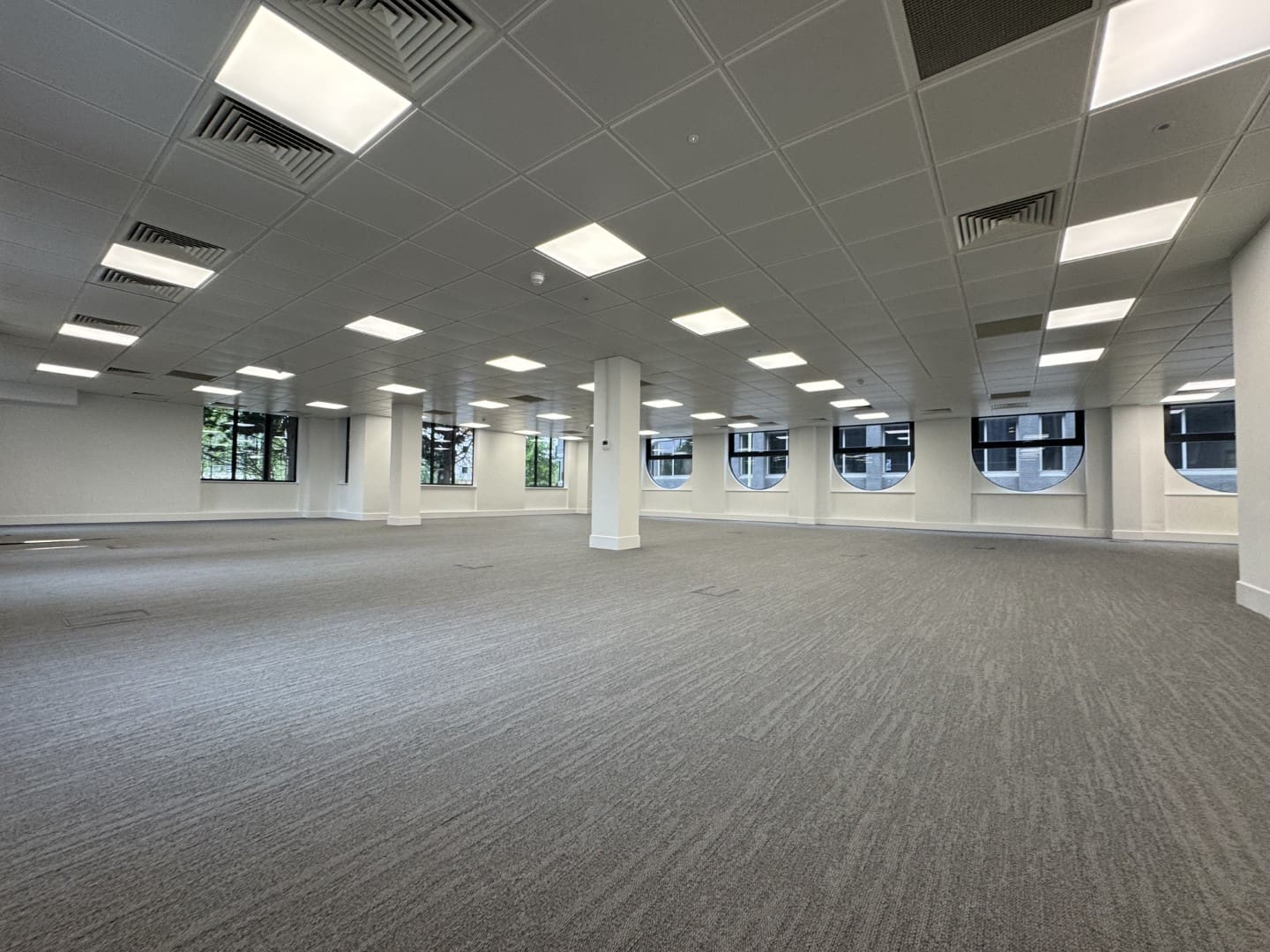
Tenants often face a choice between completing the dilapidations works themselves and paying the landlord a cash sum instead. Each route suits different situations. Doing the works gives you control of cost and quality, and a competent fit out contractor can complete them efficiently, often for less than the landlord’s figure. Paying in lieu removes the hassle of managing a project as you move out, which can be worth the premium when time is tight.
An experienced dilapidations contractor can advise on which route serves you better, then carry out the works quickly and to the standard the lease requires. Rap Interiors has delivered dilapidations projects across Kent, London, and the South East, including work for KA Investments and Developments in Kent and Martin’s Properties at Goldvale House, Surrey.
It is a document prepared by the landlord’s surveyor that lists the works required to return a leased space to its agreed condition, along with the cost attributed to each item. It sets out the landlord’s claim, and it is open to negotiation rather than being a final bill.
Yes. A schedule of dilapidations is an opening position, not a fixed figure. With your own surveyor, you can challenge items that fall outside the lease terms or are priced above a reasonable cost. Many claims settle well below the original figure.
Often, yes. Carrying out the works through your own contractor avoids the landlord’s margins and professional fees, which are built into a cost schedule. It also gives you control over quality and timing. Whether it suits you depends on how much time you have around your move.
As early as possible, ideally well before your lease ends. Reviewing your lease, checking for a schedule of conditions, and getting advice early gives you time to plan the works or budget for a settlement, rather than reacting to a claim under pressure.
This guide offers general information on office dilapidations and does not constitute legal advice. Every lease is different, so we’d always recommend taking professional advice on your specific obligations before agreeing a schedule or settlement.
Is your lease coming to an end, with a dilapidations claim on the horizon?
Rap Interiors has delivered dilapidations projects across Kent, London, and the South East for over 30 years, helping tenants like KA Investments and Developments and Martin’s Properties manage the works cost-effectively and to the standard their lease requires. Whether you need an independent view on a schedule or a contractor to carry out the works, we can help you.
To book a consultation, please call 0333 600 1234, email refurb@rapinteriors.co.uk or fill out the enquiry form below.
Enter your details below and one of the team will contact you to discuss your requirements.
 https://www.rapinteriors.co.uk/wp-content/uploads/2022/01/Office-boardroom-interior-design-for-a-Kent-property-developer-750x1125.jpg
Workspace interior design with acoustic elements
https://www.rapinteriors.co.uk/wp-content/uploads/2022/01/Office-boardroom-interior-design-for-a-Kent-property-developer-750x1125.jpg
Workspace interior design with acoustic elements