 https://www.rapinteriors.co.uk/wp-content/uploads/2019/04/KA-Investments-Priory-Gate-Exteriors-Maidstone-1-750x500.jpg
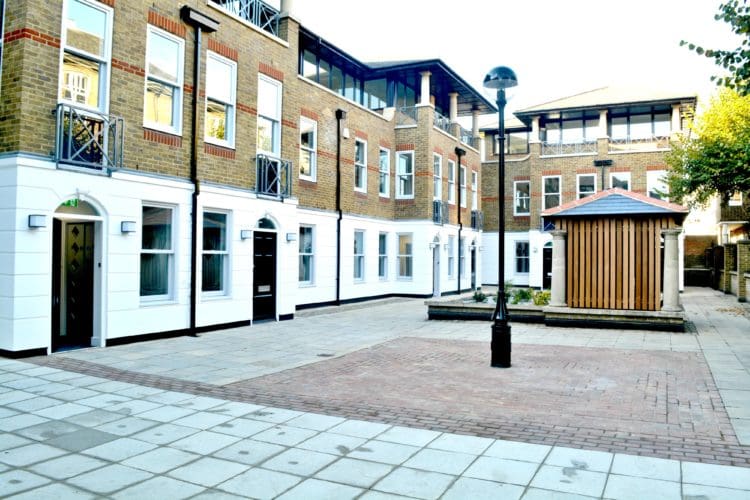
KA Investments and Developments at Priory Gate in Maidstone
https://www.rapinteriors.co.uk/wp-content/uploads/2019/04/KA-Investments-Priory-Gate-Exteriors-Maidstone-1-750x500.jpg
KA Investments and Developments at Priory Gate in Maidstone


 https://www.rapinteriors.co.uk/wp-content/uploads/2022/05/CAT-A-office-fit-out-London-750x1000.jpg
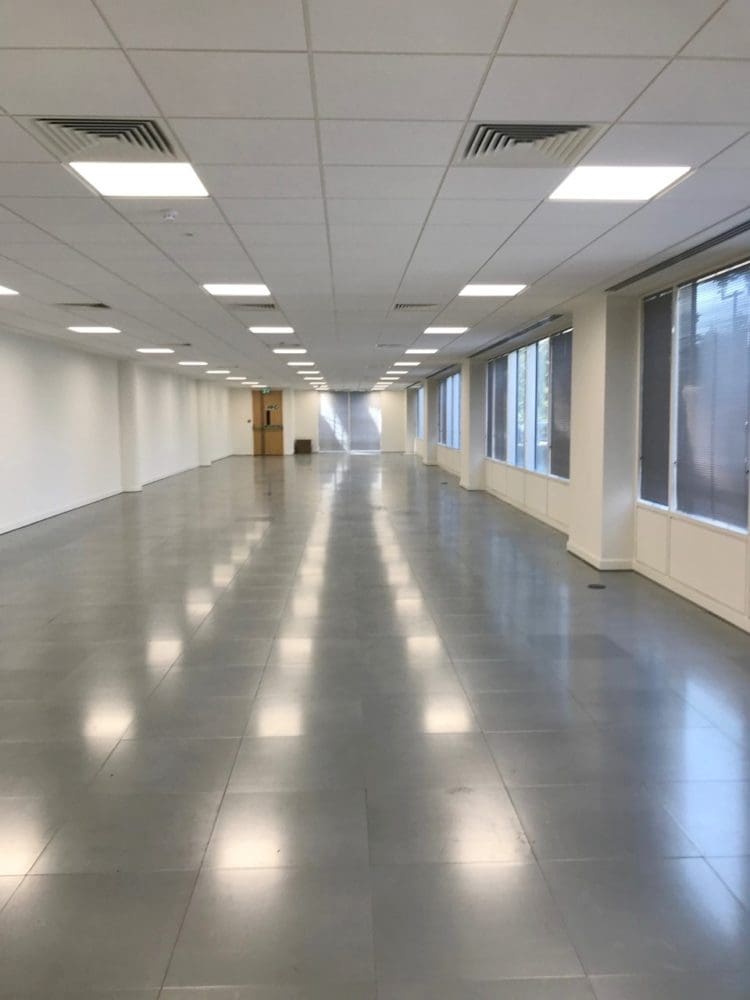
CAT A office fit out London
https://www.rapinteriors.co.uk/wp-content/uploads/2022/05/CAT-A-office-fit-out-London-750x1000.jpg
CAT A office fit out London
The weeks between one tenant leaving and the next arriving decide how an office floor performs for years. Present a tired space and it sits on the market while better floors let around it. Refurbish it well and it competes. This guide covers what a Cat A refurbishment involves, how far to take it in a market that rewards quality, and how the outgoing tenant’s dilapidations can part-fund the work.
A Cat A specification presents a floor ready for an incoming tenant’s fit out: a clean, finished shell with raised floors, suspended ceilings, lighting, basic mechanical and electrical services, and decorated core areas. It is the standard condition in which UK office space is marketed, the blank canvas a tenant’s Cat B fit out then turns into their office.
Between tenancies, a Cat A refurbishment typically means stripping out the departing tenant’s alterations, repairing and upgrading the base build, and representing the floor to current expectations. The scope runs from a light refresh to a comprehensive upgrade of services and finishes, and choosing the right level is the commercial decision that sits at the heart of this guide.
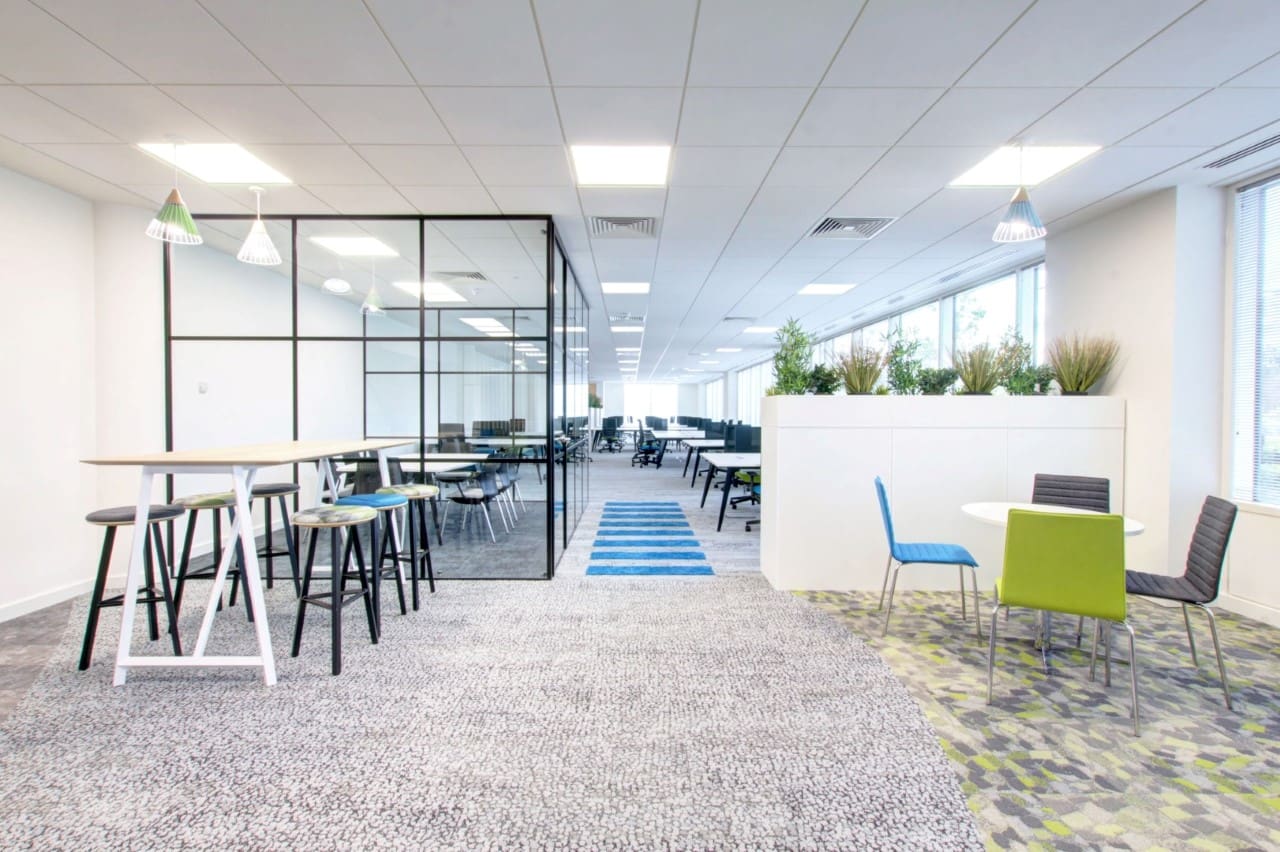
The London market has split by quality. Occupiers have traded floor area for standard, the best space lets quickly at strong rents, and dated stock struggles regardless of price. A floor presented with old lighting, stained ceiling tiles, and the ghosts of the last tenant’s partitions now reads as a problem, and tenants price the risk into their offers or walk past entirely.
Energy regulation pushes the same direction. Minimum energy standards for commercial lettings continue to tighten, and a between-tenancy refurbishment is the natural moment to upgrade lighting, controls, and plant, both for compliance headroom and because incoming tenants increasingly audit a building’s sustainability before committing.
A growing share of smaller occupiers want space they can move into, not a canvas to fit out. Cat A plus, a floor delivered with a basic fitted layout of meeting rooms, tea point, and furniture-ready cabling, answers that demand and lets faster in the sub-5,000 square foot market. For landlords with smaller floors or a target market of growing businesses, taking the refurbishment one step further into fitted space often shortens the void by months. There’s no single right answer. The best choice depends on the floor, the building, and who’s likely to take it. It’s worth deciding deliberately rather than defaulting to what’s always been done.
The outgoing tenant usually owes reinstatement and repair under their lease, settled either by doing the works or paying in lieu. A landlord planning a between-tenancy refurbishment can align the two: the dilapidations settlement funds the strip-out and repairs the tenant was liable for, and the refurbishment budget tops up from there to the standard the market now demands. Running the dilapidations claim and the refurbishment design together, with one contractor pricing both, keeps the numbers honest on each side of the ledger.
https://www.rapinteriors.co.uk/wp-content/uploads/2019/04/KA-Investments-Priory-Gate-Exteriors-Maidstone-1-750x500.jpg
KA Investments and Developments at Priory Gate in Maidstone
 https://www.rapinteriors.co.uk/wp-content/uploads/2021/03/empty-london-office-space-for-prospective-tenant-750x563.jpg
An empty London office space for a prospective tenant to lease
https://www.rapinteriors.co.uk/wp-content/uploads/2021/03/empty-london-office-space-for-prospective-tenant-750x563.jpg
An empty London office space for a prospective tenant to lease
 https://www.rapinteriors.co.uk/wp-content/uploads/2025/06/Office-dilapidation-project-involving-redecoration-throughout-750x563.jpg
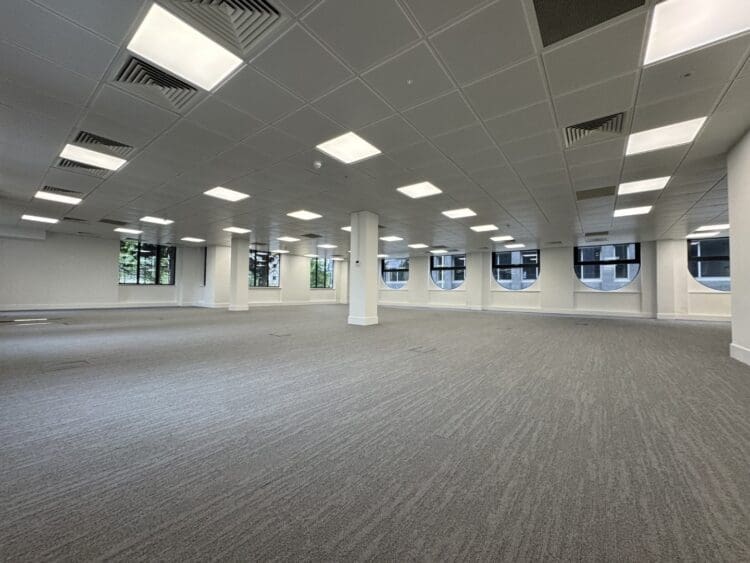
Office dilapidation project involving redecoration throughout.
https://www.rapinteriors.co.uk/wp-content/uploads/2025/06/Office-dilapidation-project-involving-redecoration-throughout-750x563.jpg
Office dilapidation project involving redecoration throughout.
We deliver strip-outs, dilapidations works, and Cat A refurbishment for landlords and managing agents across London, Kent, and the South East, alongside the tenant fit outs that follow. The experience on both sides matters, because we also deliver fit outs for the tenants moving in. We know exactly what they are looking for on a viewing and we present your floor with that in mind. Our landlord and tenant work includes dilapidations projects and refurbishments delivered to the standard to re-market the premises, with programmes built around minimising the void.
We can also produce proposed CAT B fit out designs for landlords to present to prospective tenants, providing inspiration for how their workspace could be configured to suit their business and helping the landlord market the property.
A light between-tenancy refresh can complete in a few weeks; a comprehensive fit out with services upgrades typically runs two to four months depending on floor size. The programme is usually driven by the letting strategy, and we build it backwards from when agents want the floor viewable.
In the current market, refurbished floors let faster and photograph better, so most landlords refurbish before marketing. Where a specific tenant is in negotiation, the refurbishment can be tailored or blended into their fit out, which a design and build contractor can price both ways.
Yes, and it usually saves money. One contractor pricing the reinstatement works and the upgrade works together avoids duplicated preliminaries and gives you a single programme from strip-out to re-let condition.
Do you want a floor that stands out on viewings and lets ahead of the building next door?
Rap Interiors has more than 30 years’ experience delivering strip-outs, dilapidations works, and refurbishments for landlords across London, Kent, and the South East. From strip-out to re-let condition, we cover every aspect of the works.
To book a consultation, please call 0333 600 1234, email refurb@rapinteriors.co.uk or fill out the enquiry form below.
Enter your details below and one of the team will contact you to discuss your requirements.
 https://www.rapinteriors.co.uk/wp-content/uploads/2022/01/Office-boardroom-interior-design-for-a-Kent-property-developer-750x1125.jpg
Workspace interior design with acoustic elements
https://www.rapinteriors.co.uk/wp-content/uploads/2022/01/Office-boardroom-interior-design-for-a-Kent-property-developer-750x1125.jpg
Workspace interior design with acoustic elements