

 https://www.rapinteriors.co.uk/wp-content/uploads/2019/04/commercial-relocation-solutions-from-rap-interiors-750x518.jpg
Commercial Relocation Solutions by Rap Interiors
https://www.rapinteriors.co.uk/wp-content/uploads/2019/04/commercial-relocation-solutions-from-rap-interiors-750x518.jpg
Commercial Relocation Solutions by Rap Interiors
An office move touches every part of a business, from the lease to the laptops. Get the planning right and your team walks into a working space on day one. Get it wrong and you lose weeks to snags, downtime, and a fit out that runs late. This checklist breaks the move into three phases, so nothing important slips through.
The single biggest factor in a smooth move is lead time. A small office might come together in three months. A larger relocation, with a fit out and a phased move, needs six to twelve. Work back from your target move date and you will see how soon the planning has to start, particularly if your current lease has a notice period or a dilapidations liability to settle.
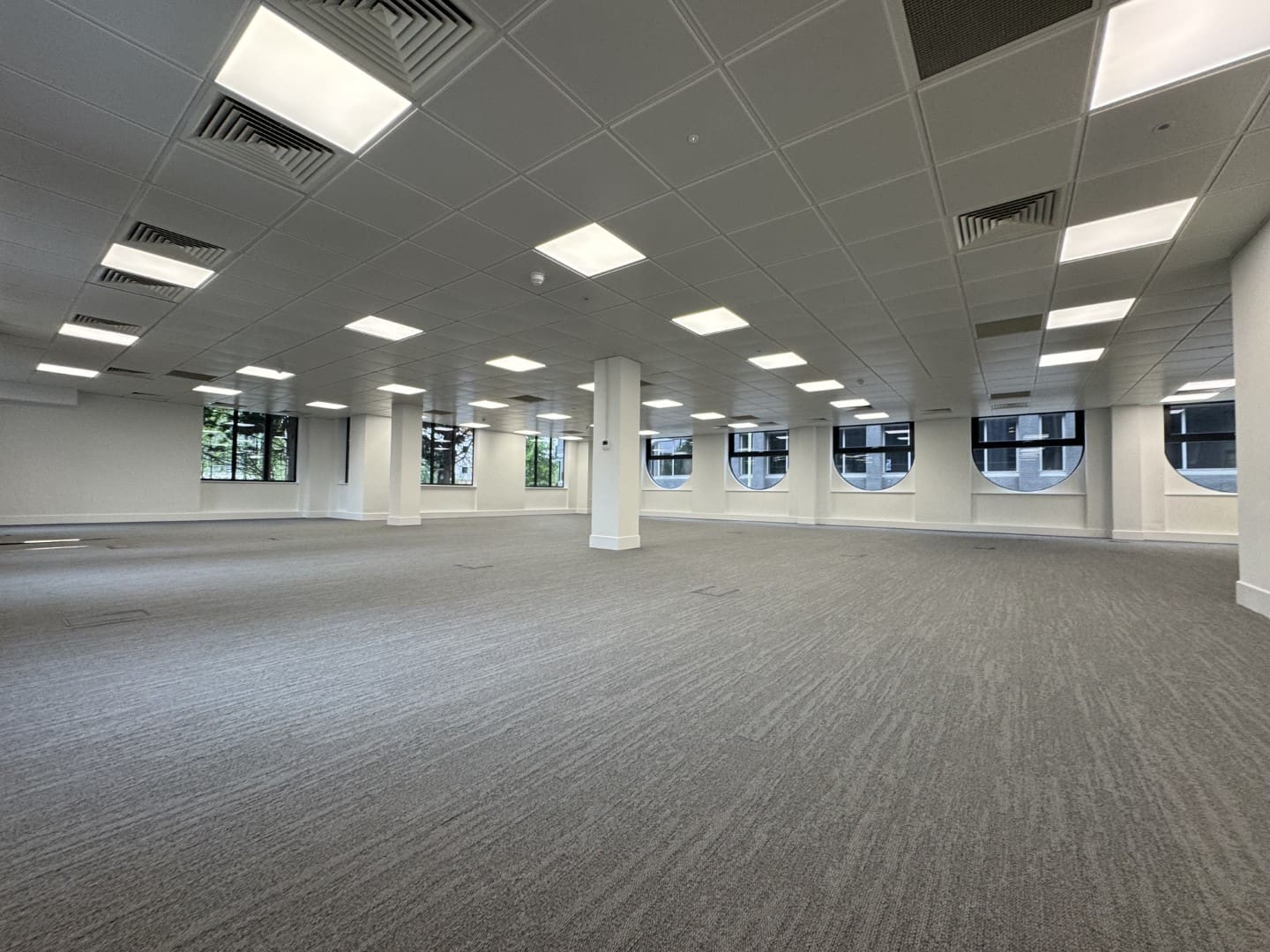
This phase runs from the moment you decide to move until you sign on a new space. The groundwork you lay here shapes everything that follows.
Once you have a space, the focus shifts to making it work for your team. This is where a fit out partner earns their place, turning an empty or tired office into somewhere people want to come.
The final phase covers the move itself and the first weeks in the new space. Good planning here prevents the small failures that frustrate a team on day one.

A few errors come up again and again on office relocations. Knowing them in advance is half the battle.
A relocation runs more smoothly when one partner handles the space itself, from assessing buildings before you sign to designing, fitting out, and handing over a finished office. An office relocation managed this way keeps the design, the build, and the move on a single programme, which removes the gaps where projects usually slip. Rap Interiors has managed relocations across Kent, London, and the South East, including office moves for A4G in Kent and RSPB in Brighton.
It depends on the size of the move and the amount of fit out involved. A small office might relocate in around three months, while a larger move with a full fit out needs six to twelve. Starting early is the best way to keep the move on schedule and avoid rushed decisions.
Beyond rent on the new space, budget for the fit out, furniture, IT and cabling, removals, and the dilapidations on your old office. The dilapidations in particular catch businesses out, so factor them in from the start.
As early as you can, working back from your target move date. Account for your current lease notice period, the time to find and secure a new space, and the fit out programme. For most businesses that means starting at least six months ahead, and longer for a larger move.
It depends on whether your current space can meet your needs with the right changes. A refurbishment is often cheaper and less disruptive than a move, while relocation makes sense when you need a different size, location, or building. Weighing the two against your costs and goals is the right first step.
Is your business preparing to move into a new office?
Rap Interiors has over 30 years’ experience helping businesses relocate, from assessing potential buildings before you sign, through design and fit out, to handing over a finished office ready for your team. We keep the design, the build, and the move on a single programme, so nothing slips through the gaps.
To book a consultation, please call 0333 600 1234, email refurb@rapinteriors.co.uk or fill out the enquiry form below.
Enter your details below and one of the team will contact you to discuss your requirements.
 https://www.rapinteriors.co.uk/wp-content/uploads/2022/01/Office-boardroom-interior-design-for-a-Kent-property-developer-750x1125.jpg
Workspace interior design with acoustic elements
https://www.rapinteriors.co.uk/wp-content/uploads/2022/01/Office-boardroom-interior-design-for-a-Kent-property-developer-750x1125.jpg
Workspace interior design with acoustic elements