 https://www.rapinteriors.co.uk/wp-content/uploads/2024/05/Modern-open-plan-office-with-terracota-walls-and-waiting-area-1-750x500.jpg
Modern open plan office with terracotta walls and waiting area.
https://www.rapinteriors.co.uk/wp-content/uploads/2024/05/Modern-open-plan-office-with-terracota-walls-and-waiting-area-1-750x500.jpg
Modern open plan office with terracotta walls and waiting area.


 https://www.rapinteriors.co.uk/wp-content/uploads/2025/12/Welcoming-modern-receeption-area-design-in-London-office-interior-design-project-750x563.jpeg
Welcoming modern receeption area design in London office interior design project.
https://www.rapinteriors.co.uk/wp-content/uploads/2025/12/Welcoming-modern-receeption-area-design-in-London-office-interior-design-project-750x563.jpeg
Welcoming modern receeption area design in London office interior design project.
London sets a high bar for workplace design. Your office competes for attention with some of the best-designed spaces in the country, and your team compares it with every client office and coworking lounge they visit. Design to that standard and the office becomes an asset that recruits, retains, and sells for you. This guide covers the elements that matter most in the capital and how to approach a project.
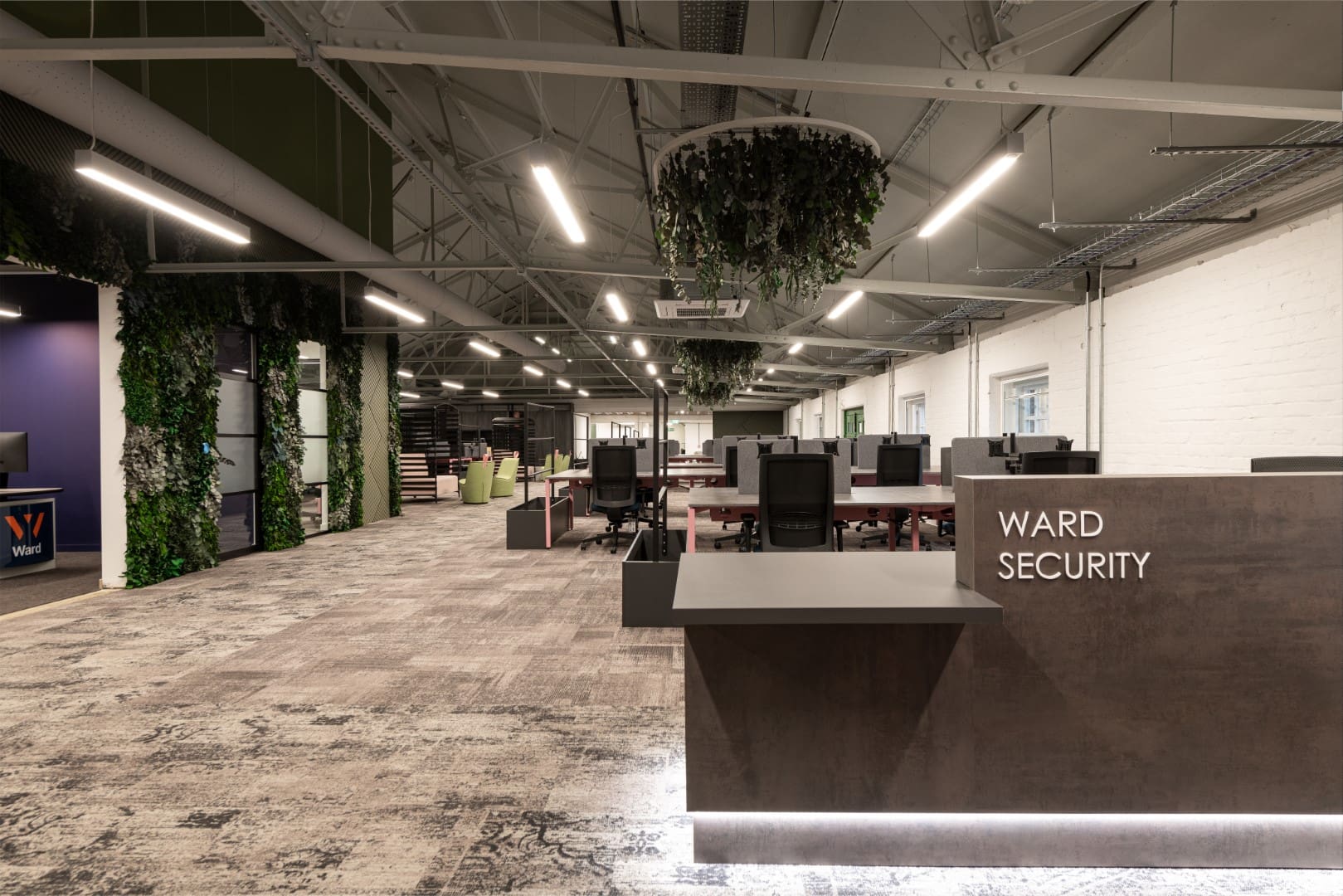
Two pressures make design decisive for London businesses. The first is talent. Employees with the whole capital to choose from weigh the workplace as part of the offer, and a dated office reads as a dated company. The second is clients. In sectors where customers visit, the office speaks before anyone in it does, and first impressions form in the reception.
Hybrid working sharpens both pressures. Staff who commute in expect a space worth the journey, with settings for collaboration, focus, and connection that home cannot match. Design has become the tool that makes the office worth choosing, and London businesses feel that shift first.
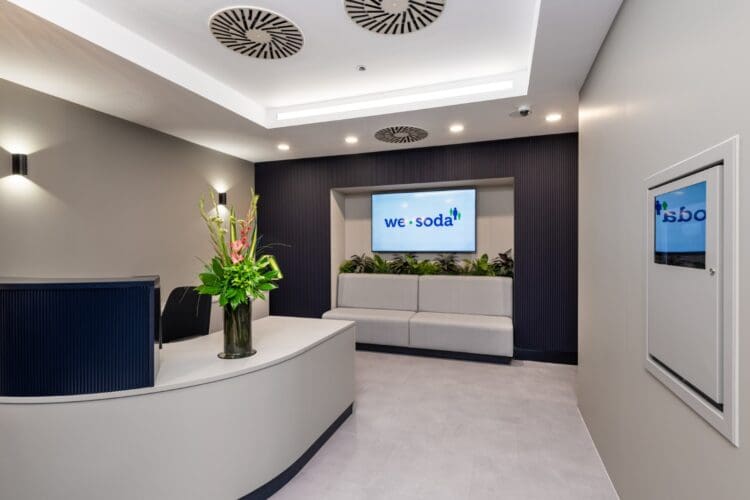
The entrance sets the tone for everything behind it. Strong reception design combines brand, comfort, and a clear welcome, whether the style is corporate polish or warehouse character. Rap Interiors designed a reception for a high-end London refurbishment where the arrival space does the client-facing work a meeting room used to.
A modern layout mixes open collaboration space, bookable meeting rooms, quiet booths for focused work, and breakout areas where conversations happen by accident. The proportion between them depends on your team. A design that starts from how your people spend their day beats one that starts from a furniture catalogue.
The qualities people notice least in a good office are the ones they complain about most in a bad one. Acoustic treatment keeps open plan workable. Layered lighting supports screen work and video calls. Air, temperature, and ergonomics decide whether the office feels better than working from home, which in 2026 is the standard it has to beat.
A London office that isn’t personalised says nothing about who you are. Colour, graphics, materials, and bespoke joinery tie the space to your identity. The Royal Philharmonic Orchestra‘s London office, designed and furnished by Rap Interiors, shows how far character can carry a workspace when design and organisation match.
 https://www.rapinteriors.co.uk/wp-content/uploads/2026/02/Office-reception-area-design-for-a-high-end-london-office-refurb-750x500.jpg
Office reception area design for a high end london office refurb.
https://www.rapinteriors.co.uk/wp-content/uploads/2026/02/Office-reception-area-design-for-a-high-end-london-office-refurb-750x500.jpg
Office reception area design for a high end london office refurb.
 https://www.rapinteriors.co.uk/wp-content/uploads/2026/02/Office-breakout-space-in-corporate-london-office-refurbishment-750x500.jpg
Office fit out for a Kent business by Rap Interiors
https://www.rapinteriors.co.uk/wp-content/uploads/2026/02/Office-breakout-space-in-corporate-london-office-refurbishment-750x500.jpg
Office fit out for a Kent business by Rap Interiors
 https://www.rapinteriors.co.uk/wp-content/uploads/2023/11/Branded-wooden-slat-feature-wall-and-soft-seating-in-office-entrance-area-750x500.jpg
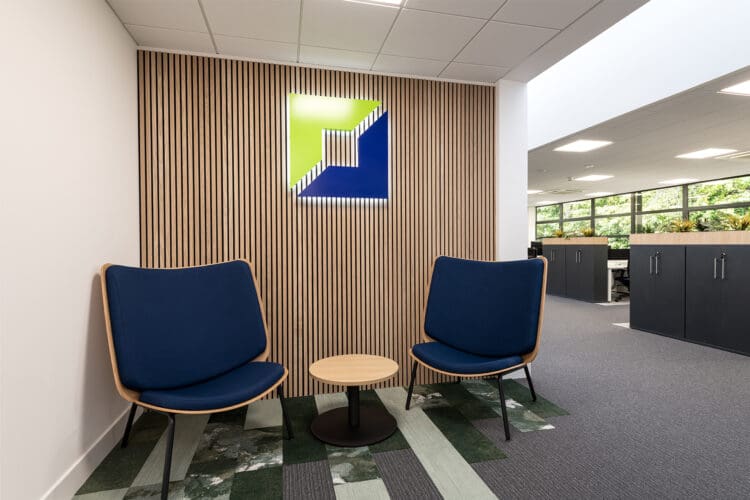
Branded wooden slat feature wall and soft seating in office entrance area.
https://www.rapinteriors.co.uk/wp-content/uploads/2023/11/Branded-wooden-slat-feature-wall-and-soft-seating-in-office-entrance-area-750x500.jpg
Branded wooden slat feature wall and soft seating in office entrance area.
 https://www.rapinteriors.co.uk/wp-content/uploads/2023/07/GW-Highways-17-72dpi-750x500.jpg
Modern office interior design and fit out project project with meeting room, office desking and planters.
https://www.rapinteriors.co.uk/wp-content/uploads/2023/07/GW-Highways-17-72dpi-750x500.jpg
Modern office interior design and fit out project project with meeting room, office desking and planters.
A typical project moves from brief to concept to detail. The designer starts with your team, your headcount, and your ways of working, then develops a space plan that arranges the floor. Concept design brings the look: materials, colour, furniture direction, and key features. Detailed design fixes every element so the fit out can be priced and built accurately.
Good designers also test the plan against reality: sightlines from the entrance, journeys between teams, and how the space flexes on a full day. Our office interior design service runs this full sequence, from first survey to a design the build team can deliver without gaps.
Some businesses appoint a designer and a contractor separately. Others choose a design and build partner who carries the project from concept to completion. The single-partner route keeps design intent and build cost in the same conversation, which shortens the programme and removes the gap where designs get value-engineered into something weaker. For most London offices under a tight timeline, design and build wins on speed and accountability.
Rap Interiors transformed Vestey Holdings’ central London office into a contemporary, comfortable and visually engaging workplace, combining style, functionality and acoustic performance. The interior design features wooden slat wall panels, decorative PET panels and feature pendant lighting, creating a distinctive aesthetic while enhancing workplace acoustics.
A carefully selected furniture scheme completed the design, including tailored solutions to support specific medical requirements. Despite the logistical challenges of a fourth-floor London location, careful planning and coordination ensured a smooth and successful delivery.
 https://www.rapinteriors.co.uk/wp-content/uploads/2024/10/London-office-interior-design-project-with-breakout-space-soft-seating-750x563.jpg
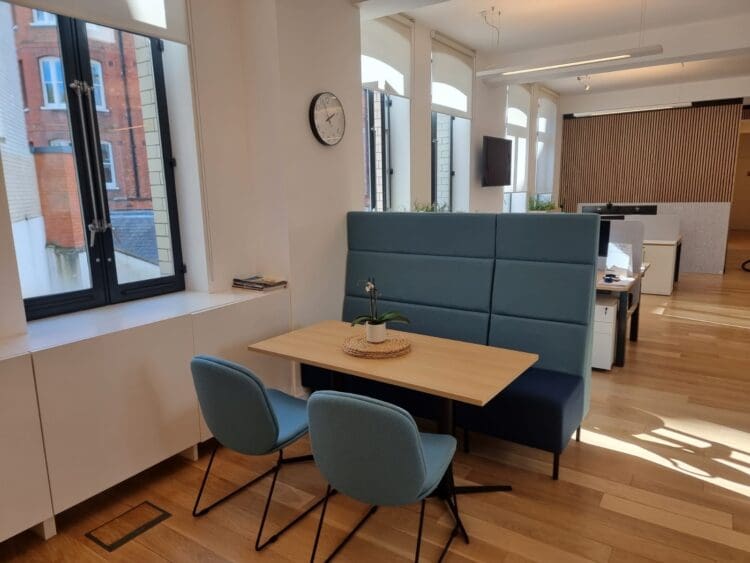
London office interior design project with breakout space soft seating.
https://www.rapinteriors.co.uk/wp-content/uploads/2024/10/London-office-interior-design-project-with-breakout-space-soft-seating-750x563.jpg
London office interior design project with breakout space soft seating.
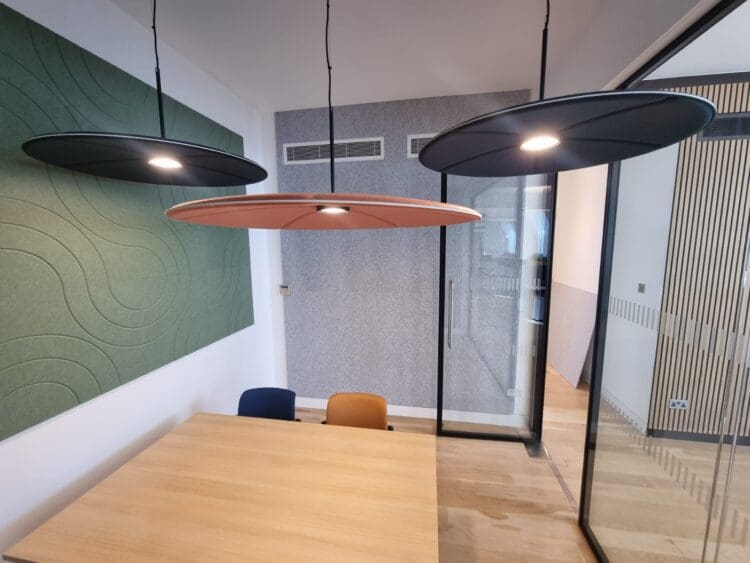 https://www.rapinteriors.co.uk/wp-content/uploads/2024/10/Modern-London-office-refurbishment-with-meeting-room-design-and-feature-acoustic-pendant-lighting-750x563.jpg
Modern London office refurbishment with meeting room design and feature acoustic pendant lighting.
https://www.rapinteriors.co.uk/wp-content/uploads/2024/10/Modern-London-office-refurbishment-with-meeting-room-design-and-feature-acoustic-pendant-lighting-750x563.jpg
Modern London office refurbishment with meeting room design and feature acoustic pendant lighting.
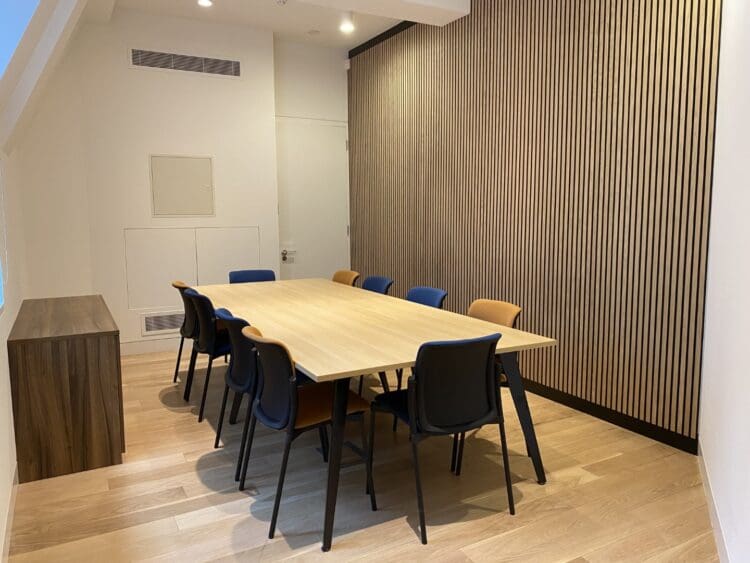 https://www.rapinteriors.co.uk/wp-content/uploads/2024/10/Modern-boardroom-interior-design-with-wooden-slat-feature-wall-750x563.jpeg
Modern boardroom interior design with wooden slat feature wall.
https://www.rapinteriors.co.uk/wp-content/uploads/2024/10/Modern-boardroom-interior-design-with-wooden-slat-feature-wall-750x563.jpeg
Modern boardroom interior design with wooden slat feature wall.
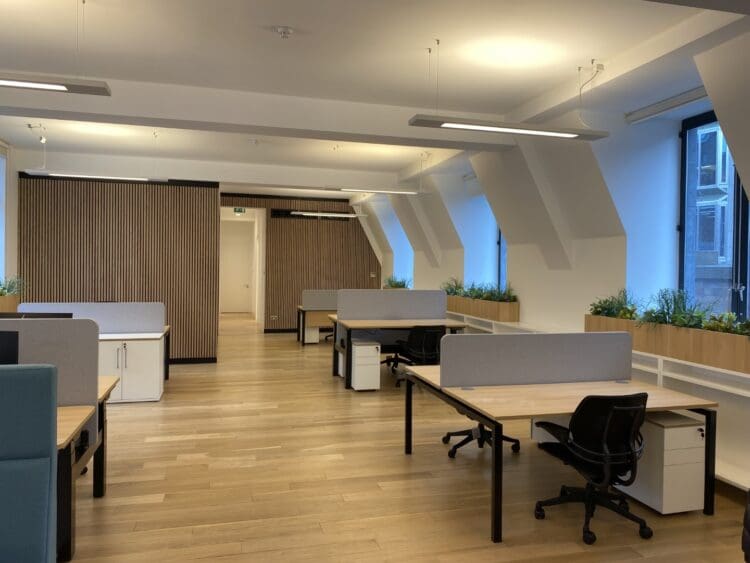 https://www.rapinteriors.co.uk/wp-content/uploads/2024/10/Open-plan-scandi-style-office-interior-design-and-refurbishment-London-750x563.jpeg
Open plan scandi style office interior design and refurbishment London.
https://www.rapinteriors.co.uk/wp-content/uploads/2024/10/Open-plan-scandi-style-office-interior-design-and-refurbishment-London-750x563.jpeg
Open plan scandi style office interior design and refurbishment London.
Design fees vary with the size of the space and the depth of the service, from a space plan and concept through to full detailed design. Many businesses take design as part of a design and build package, where the fee folds into the overall project cost. A survey and brief gives you an accurate figure.
For a typical London office, allow several weeks from survey to a signed-off design, depending on how quickly decisions move on your side. Concept options can arrive within the first fortnight, with detail developing after you choose a direction.
Yes. A refurbishment can rework finishes, furniture, lighting, and layout within the existing shell, which lifts the space at a lower cost than a full fit out. The right scope depends on the state of your office and what you want it to do.
Yes. Rap Interiors designs and delivers workspaces across London, Kent, and the South East, with projects further afield across the country.
Do you want an office interior that stands out, in a city that notices?
Rap Interiors has more than 30 years’ experience creating interior design schemes for London businesses, from receptions and breakout spaces to full workplace transformations. From concept design to the finished build, we cover every aspect of the project.
To book a consultation, please call 0333 600 1234, email refurb@rapinteriors.co.uk or fill out the enquiry form below.
https://www.rapinteriors.co.uk/wp-content/uploads/2024/05/Modern-open-plan-office-with-terracota-walls-and-waiting-area-1-750x500.jpg
Modern open plan office with terracotta walls and waiting area.
https://www.rapinteriors.co.uk/wp-content/uploads/2026/02/Office-reception-area-design-for-a-high-end-london-office-refurb-750x500.jpg
Office reception area design for a high end london office refurb.
News
by Amie Howell on 30th March 2026
When designing a workspace, it’s easy to focus on productivity-driven areas like offices and meeting rooms. But a truly effective workplace starts with the reception—your first opportunity to shape impressions and set the tone for your business. The stats in this article show just how important this space really is. Read on to find out more.
Enter your details below and one of the team will contact you to discuss your requirements.
 https://www.rapinteriors.co.uk/wp-content/uploads/2022/01/Office-boardroom-interior-design-for-a-Kent-property-developer-750x1125.jpg
Workspace interior design with acoustic elements
https://www.rapinteriors.co.uk/wp-content/uploads/2022/01/Office-boardroom-interior-design-for-a-Kent-property-developer-750x1125.jpg
Workspace interior design with acoustic elements