

 https://www.rapinteriors.co.uk/wp-content/uploads/2026/02/Boardroom-design-with-bespoke-boardtable-and-meeeting-chairs-for-London-office-refurb-750x500.jpg
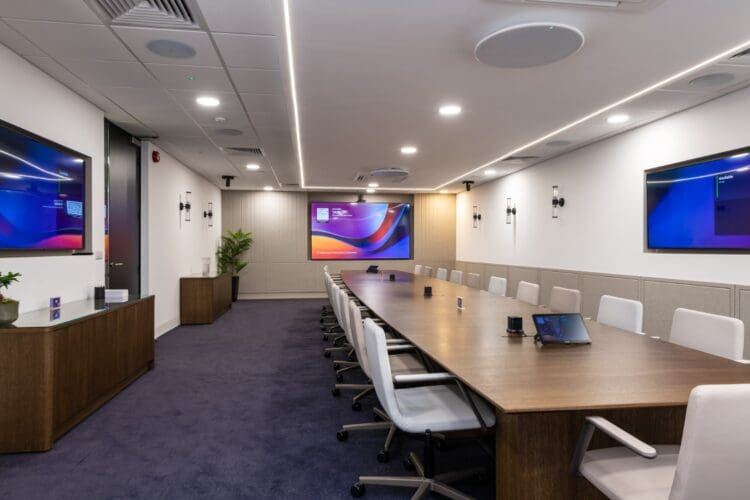
Boardroom design with bespoke boardtable and meeeting chairs for London office refurb.
https://www.rapinteriors.co.uk/wp-content/uploads/2026/02/Boardroom-design-with-bespoke-boardtable-and-meeeting-chairs-for-London-office-refurb-750x500.jpg
Boardroom design with bespoke boardtable and meeeting chairs for London office refurb.
As an office refurbishment company, we understand that it’s a tough decision to make! With many things to consider before taking the next step, from future goals to staff happiness to finances, you can be forgiven for having a cautious approach.
To help you decide, we are going to look at key considerations for businesses on the precipice of change. By assessing the pros and cons, cost implications, recruitment factors and more, we will help you make a more informed decision.
We will also show you some of our own relocation and refurbishment projects to highlight the reasons for change.
 https://www.rapinteriors.co.uk/wp-content/uploads/2020/07/Money-displayed-highlighting-costs-for-an-office-refurbishment-or-relocation-750x422.jpg
Money displayed highlighting costs for an office refurbishment or relocation.
https://www.rapinteriors.co.uk/wp-content/uploads/2020/07/Money-displayed-highlighting-costs-for-an-office-refurbishment-or-relocation-750x422.jpg
Money displayed highlighting costs for an office refurbishment or relocation.
As you may expect, an office refurbishment typically costs less than a relocation. While a refurb may require some structural changes (e.g. moving partitions), it is essentially a design upgrade, meaning there are no move management fees or the need to fit out a new building.
If you’re not ready to take a financial risk with a new space, staying put and carrying out refurb could be a sensible option. Many consult the help of an office refurbishment company to carry out this work, as it can cover both the design and build.
Conversely, a relocation drives higher costs because there is more involved. Here is a rundown of the key factors that contribute to higher costs:
Furthermore, competition for good commercial office space can indirectly have cost implications. The old ‘supply and demand’ rule applies here, with the growing need for well situated commercial property potentially driving up costs.
 https://www.rapinteriors.co.uk/wp-content/uploads/2025/12/London-office-interior-design-and-furniture-solutions-for-he-Royal-Philharmonic-Orchestra-750x563.jpeg
London office interior design and furniture solutions for he Royal Philharmonic Orchestra.
https://www.rapinteriors.co.uk/wp-content/uploads/2025/12/London-office-interior-design-and-furniture-solutions-for-he-Royal-Philharmonic-Orchestra-750x563.jpeg
London office interior design and furniture solutions for he Royal Philharmonic Orchestra.
Following on from our last point on costs, location can be key in a business’s decision to stay or go. Let’s dive into some key considerations:
 https://www.rapinteriors.co.uk/wp-content/uploads/2021/11/3D-office-design-aerial-render-for-a-refurbishment-project-750x335.jpg
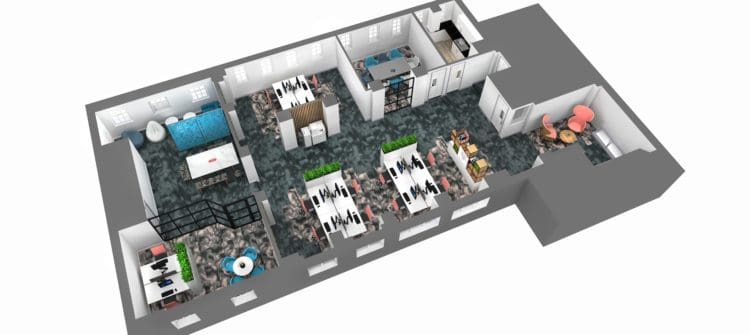
3D office design aerial render for a refurbishment project
https://www.rapinteriors.co.uk/wp-content/uploads/2021/11/3D-office-design-aerial-render-for-a-refurbishment-project-750x335.jpg
3D office design aerial render for a refurbishment project
If you’re going to keep your team roughly the same size for the foreseeable future, a refurbishment of your office space could be ideal when combined with considered space planning. When office interior designers develop a space plan, they consider zoning, desk layout, working practices, circulation of traffic, and accessibility to create a workspace that supports your operations.
In essence, space planning helps to make your office as functional and efficient as possible. Rather than relocating, a re-jig might be just the thing you need to give your office a new lease of life.
Related case study: Albion Fine Foods
 https://www.rapinteriors.co.uk/wp-content/uploads/2025/09/Circular-office-design--750x500.jpg
Go Green sign promoting sustainability and eco conscious ideals for workplace design.
https://www.rapinteriors.co.uk/wp-content/uploads/2025/09/Circular-office-design--750x500.jpg
Go Green sign promoting sustainability and eco conscious ideals for workplace design.
If you’re conscious of your environmental impact, a refurbishment is a good option. This allows you to repurpose materials, reduce waste, and minimise the environmental impact associated with relocating.
There are also plenty of things you can do to make your existing office more sustainable, such as introducing smart energy efficient solutions such as sensors so lights turn off automatically.
That being said, relocating might not be such a bad option for sustainability either…
These days, more developers are breathing life into existing structures rather than tearing them down and rebuilding. Known as retrofitting, this includes upgrades to ensure commercial properties meet the high modern sustainability standards.
Global sustainability goals are also having a big impact on the commercial property industry. For example, buildings in the UK will soon need a higher minimum Energy Efficiency Rating (rising from E to C).
Add to that the fact that 56% of landlord say tenants expect high environmental standard in their commercial offices, and you can see the direction of travel.
In short, by relocating, it’s likely your commercial office will have high sustainability standards – possibly better than those of your existing office.
Related content: 6 Trends Shaping Commercial Office Design
 https://www.rapinteriors.co.uk/wp-content/uploads/2025/12/London-office-interior-design-scheme-for-Royal-Philharmonic-Orchestra-admin-team-750x563.jpeg
Office interior design in London by Rap Interiors
https://www.rapinteriors.co.uk/wp-content/uploads/2025/12/London-office-interior-design-scheme-for-Royal-Philharmonic-Orchestra-admin-team-750x563.jpeg
Office interior design in London by Rap Interiors
 https://www.rapinteriors.co.uk/wp-content/uploads/2025/12/Welcoming-modern-receeption-area-design-in-London-office-interior-design-project-750x563.jpeg
Welcoming modern receeption area design in London office interior design project.
https://www.rapinteriors.co.uk/wp-content/uploads/2025/12/Welcoming-modern-receeption-area-design-in-London-office-interior-design-project-750x563.jpeg
Welcoming modern receeption area design in London office interior design project.
 https://www.rapinteriors.co.uk/wp-content/uploads/2025/12/Glazed-fronted-meeting-room-in-London-office-fit-out-750x563.jpeg
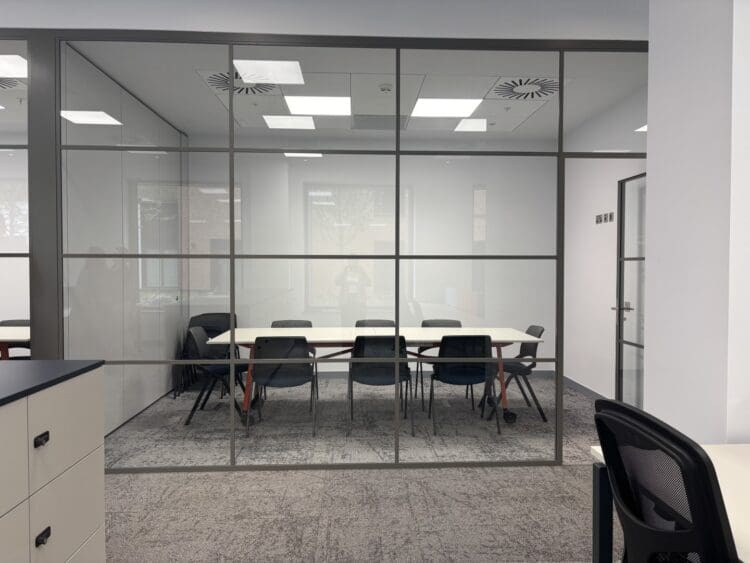
Glazed fronted meeting room in London office fit out.
https://www.rapinteriors.co.uk/wp-content/uploads/2025/12/Glazed-fronted-meeting-room-in-London-office-fit-out-750x563.jpeg
Glazed fronted meeting room in London office fit out.
 https://www.rapinteriors.co.uk/wp-content/uploads/2025/12/Acoustic-work-booths-in-London-office-fit-out-project-750x563.jpeg
Acoustic work booths in London office fit out project.
https://www.rapinteriors.co.uk/wp-content/uploads/2025/12/Acoustic-work-booths-in-London-office-fit-out-project-750x563.jpeg
Acoustic work booths in London office fit out project.
The Royal Philharmonic Orchestra’s relocation of its admin team to the Borough of Brent in London was both operational and cultural.
The move focused on embedding the team within the diverse community where it had been carrying out education and outreach initiatives for 30 years.
See the Royal Philharmonic Orchestra case study here.
 https://www.rapinteriors.co.uk/wp-content/uploads/2023/06/Albion-Fine-Foods-53-Large-750x500.jpg
A sleek and modern office interior design with meeting tables and office desking.
https://www.rapinteriors.co.uk/wp-content/uploads/2023/06/Albion-Fine-Foods-53-Large-750x500.jpg
A sleek and modern office interior design with meeting tables and office desking.
 https://www.rapinteriors.co.uk/wp-content/uploads/2023/06/Albion-Fine-Foods-14-Large-750x500.jpg
Large open plan staff dining space part of a workplace design and fit out project in Kent.
https://www.rapinteriors.co.uk/wp-content/uploads/2023/06/Albion-Fine-Foods-14-Large-750x500.jpg
Large open plan staff dining space part of a workplace design and fit out project in Kent.
 https://www.rapinteriors.co.uk/wp-content/uploads/2023/06/Albion-Fine-Foods-20-Large-750x500.jpg
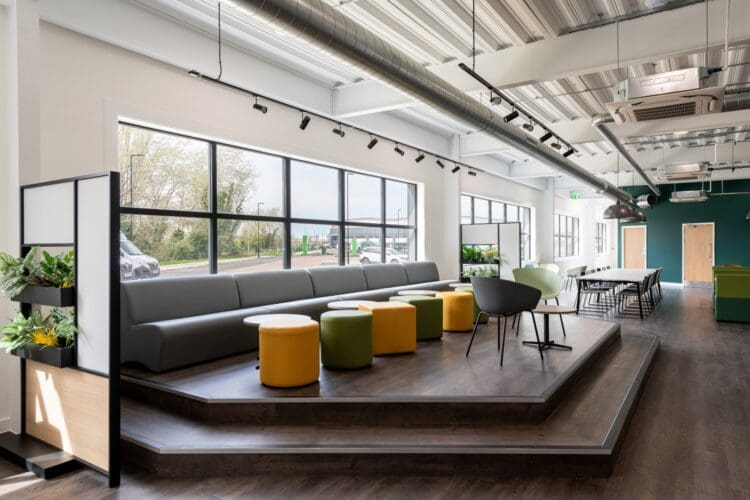
Green and mustard furniture for breakout space within a dining area within an industrial warehouse unit in Kent.
https://www.rapinteriors.co.uk/wp-content/uploads/2023/06/Albion-Fine-Foods-20-Large-750x500.jpg
Green and mustard furniture for breakout space within a dining area within an industrial warehouse unit in Kent.
 https://www.rapinteriors.co.uk/wp-content/uploads/2023/06/Albion-Fine-Foods-56-Large-750x500.jpg
Boardroom design with bespoke boardroom table, attractive chairs and wood panel feature wall with integrated TV and sound bar.
https://www.rapinteriors.co.uk/wp-content/uploads/2023/06/Albion-Fine-Foods-56-Large-750x500.jpg
Boardroom design with bespoke boardroom table, attractive chairs and wood panel feature wall with integrated TV and sound bar.
Albion Fine Foods provides ingredients to restaurants across London and the South East. Having outgrown its existing premises in Tonbridge, it moved to a bigger industrial workspace in Dartford.
The industrial fit out entailed bringing both production and office staff together with a large facility. Key features include a new office space with multiple meeting rooms and a community breakout floor with canteen facilities.
See the Albion Fine Foods case study here.
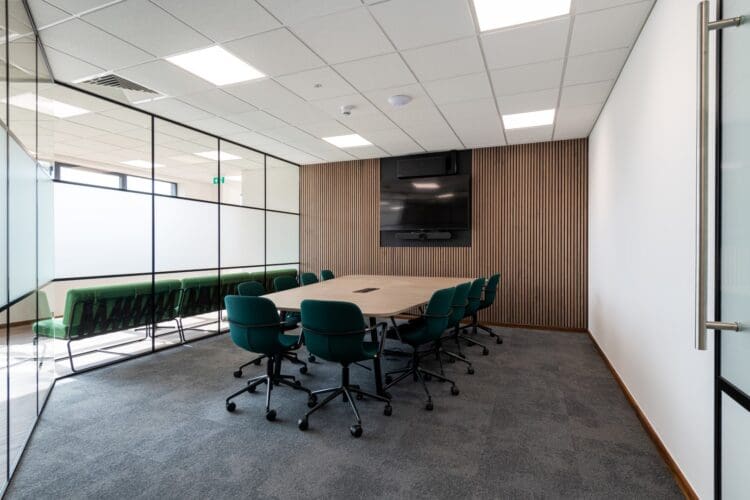
https://www.rapinteriors.co.uk/wp-content/uploads/2026/02/Boardroom-design-with-bespoke-boardtable-and-meeeting-chairs-for-London-office-refurb-750x500.jpg
Boardroom design with bespoke boardtable and meeeting chairs for London office refurb.
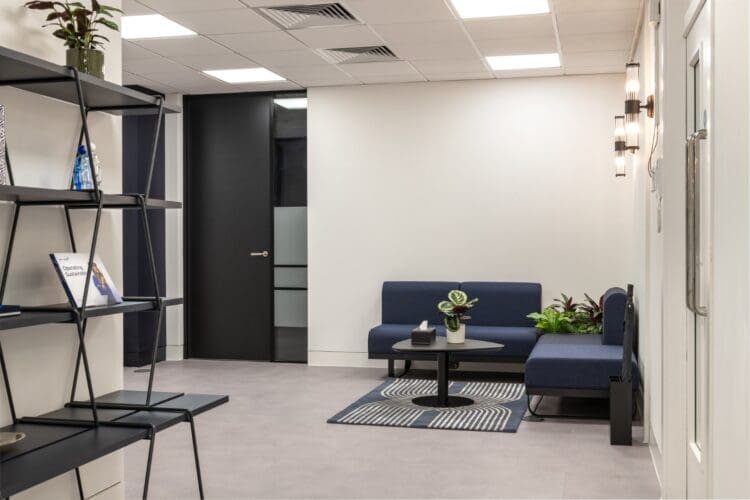 https://www.rapinteriors.co.uk/wp-content/uploads/2026/02/Office-breakout-space-with-modular-furniture-solutions-in-London-office-refurb-750x500.jpg
Office breakout space with modular furniture solutions in London office refurb.
https://www.rapinteriors.co.uk/wp-content/uploads/2026/02/Office-breakout-space-with-modular-furniture-solutions-in-London-office-refurb-750x500.jpg
Office breakout space with modular furniture solutions in London office refurb.
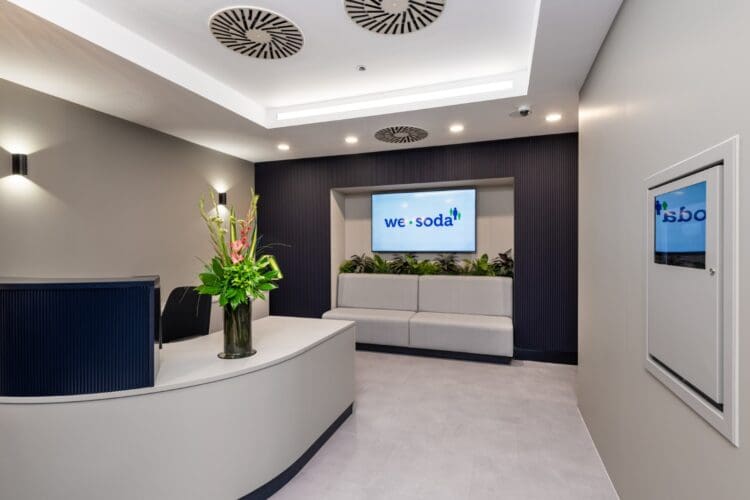 https://www.rapinteriors.co.uk/wp-content/uploads/2026/02/Office-reception-area-design-for-a-high-end-london-office-refurb-750x500.jpg
Office reception area design for a high end london office refurb.
https://www.rapinteriors.co.uk/wp-content/uploads/2026/02/Office-reception-area-design-for-a-high-end-london-office-refurb-750x500.jpg
Office reception area design for a high end london office refurb.
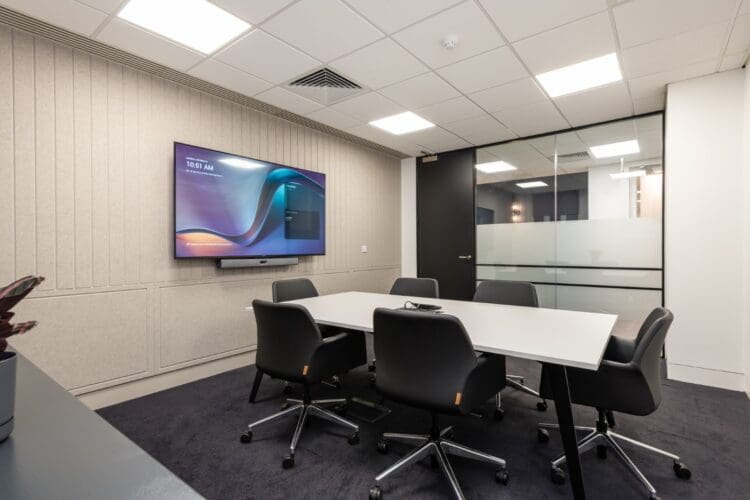 https://www.rapinteriors.co.uk/wp-content/uploads/2026/02/High-end-meeting-room-for-corporate-London-office-refurbiahment-750x500.jpg
High-end meeting room for corporate London office refurbishment
https://www.rapinteriors.co.uk/wp-content/uploads/2026/02/High-end-meeting-room-for-corporate-London-office-refurbiahment-750x500.jpg
High-end meeting room for corporate London office refurbishment
As WeSoda is situated in a prime location in the City of London, the soda ash manufacturer opted for a refurbishment.
As part of the London office refurbishment, WeSoda modernised the space throughout while maintaining a high-end corporate aesthetic. This is exemplified in the boardroom design, which includes modern audio-visual equipment, a 20+ person boardroom table, and a bespoke ceiling raft with LED lighting and speakers.
See the WeSoda case study here.
 https://www.rapinteriors.co.uk/wp-content/uploads/2022/09/large-office-presentation-area-design-with-bleacher-seating-750x500.jpg
Breakout area layout design with an auditorium
https://www.rapinteriors.co.uk/wp-content/uploads/2022/09/large-office-presentation-area-design-with-bleacher-seating-750x500.jpg
Breakout area layout design with an auditorium
Classic Collection had been letting out the top floor of its office space to another company. Following the lease expiration, the luxury holiday firm decided to occupy it themselves.
This entailed moving the main Classic Collection office space to the top floor, while the ground floor has become a new multi-use breakout space. The impressive breakout space includes a coffee-shop style seating area and bleacher seating for 50 employees, strengthening company culture and helping to attract and retain staff.
See the Classic Collection case study here
Making the decision ‘office refurbishment vs office relocation’ is rarely a simple choice. It is a strategic decision that can define the direction of your company for years to come.
As we’ve explored, the path is a balancing act between numerous factors, from future aspirations to operational factors and finances.
Whatever option you choose, an office refurb or relocation is the start of an exciting new chapter in your business’s journey. Both present a great opportunity to progress in your respected field and be a catalyst for future success.
Whether you’ve decided to stay put or move on, we’re here to help navigate the journey. With our office refurbishment and office relocation services, we can cover every aspect of your project and put you on the path to a prosperous future.
If you would like to learn about what’s possible for your business, please call us on 0333 600 1234, email refurb@rapinteriors.co.uk or fill out the form below.
Enter your details below and one of the team will contact you to discuss your requirements.
 https://www.rapinteriors.co.uk/wp-content/uploads/2022/01/Office-boardroom-interior-design-for-a-Kent-property-developer-750x1125.jpg
Workspace interior design with acoustic elements
https://www.rapinteriors.co.uk/wp-content/uploads/2022/01/Office-boardroom-interior-design-for-a-Kent-property-developer-750x1125.jpg
Workspace interior design with acoustic elements